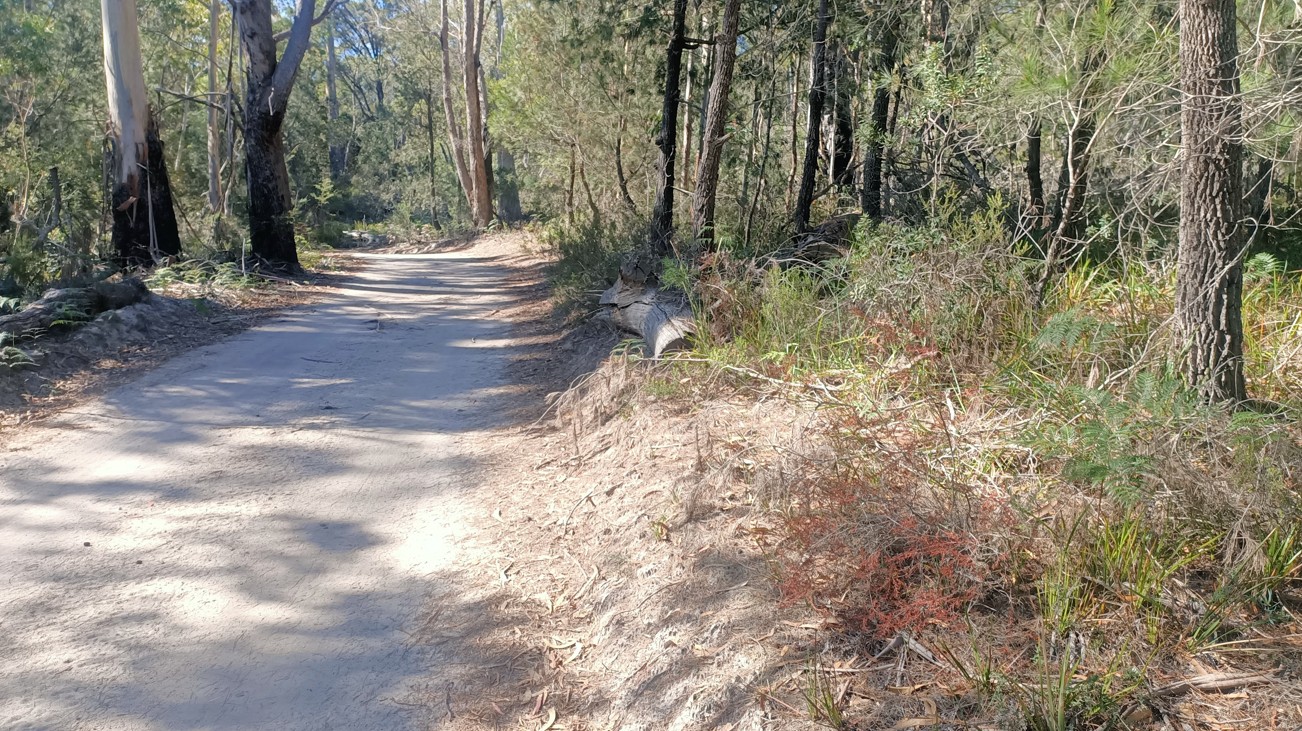
Stopping the spread: Phytophthora cinnamomi management in Tasmania
Phytophthora cinnamomi (PC), commonly known as root-rot or cinnamon fungus, is one of Australia’s most serious plant pathogens. This soil-borne water mould (now known not to be a fungus) infects the roots of plants, inhibiting their ability to uptake water and nutrients. This frequently leads to the death of the roots, hence the common name, root rot. In the lead up to death, symptoms include leaf yellowing, leaf and limb loss, or necrosis, often referred to as dieback. Plants ultimately succumb, especially when environmental conditions are harsh (such as limited water during summer), as the plant’s ability to uptake from the soil is too compromised to go on.
Thousands of Australian native plants are susceptible to PC, with many at risk of extinction due to its impacts. As such, it has been recognised as a ‘Key threatening process’ , with a threat abatement plan developed by the federal department of the environment.
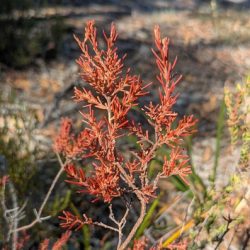
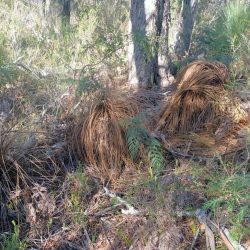
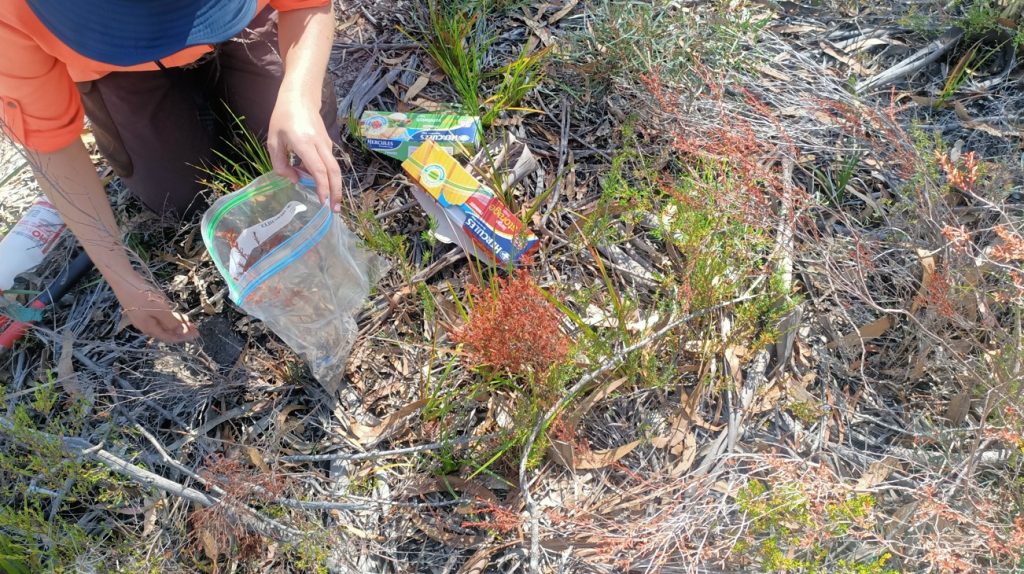
At North Barker, we take a proactive approach to identifying and managing this hidden threat. Our teams conduct broad-scale surveys for the symptoms of PC (i.e. dieback) and to identify PC susceptible species/vegetation. After these initial assessments, we undertake targeted soil sampling at identified ecological monitoring points. We are then able to complete lab-based soil analyses to confirm if PC is present/absent. Based on these results, we work with clients, stakeholders and regulators on the best course of action to ensure the areas with existing infestations are not worsened, and pathogens aren’t introduced to unaffected areas through strict hygienc protocols and management.
For many projects, we have developed tailored hygiene protocols and comprehensive management plans that address project needs while following best practices and meeting legislative requirements. Our industry-leading approach translates into practical and cost-effective solutions for clients, allowing them to move forward with confidence, knowing their projects are designed to minimise impacts and avoid costly setbacks, as well as preventable damage to nature.
While professional management is essential, everyone has a role to play in stopping the spread of PC. Simple steps such as cleaning soil from boots, vehicles and equipment (such as walking poles and tent pegs) before moving between sites, sticking to established tracks, and following local signage and hygiene controls all make a big difference. Together, these actions support broader PC management efforts, helping protect Tasmania’s unique ecosystems for generations to come.