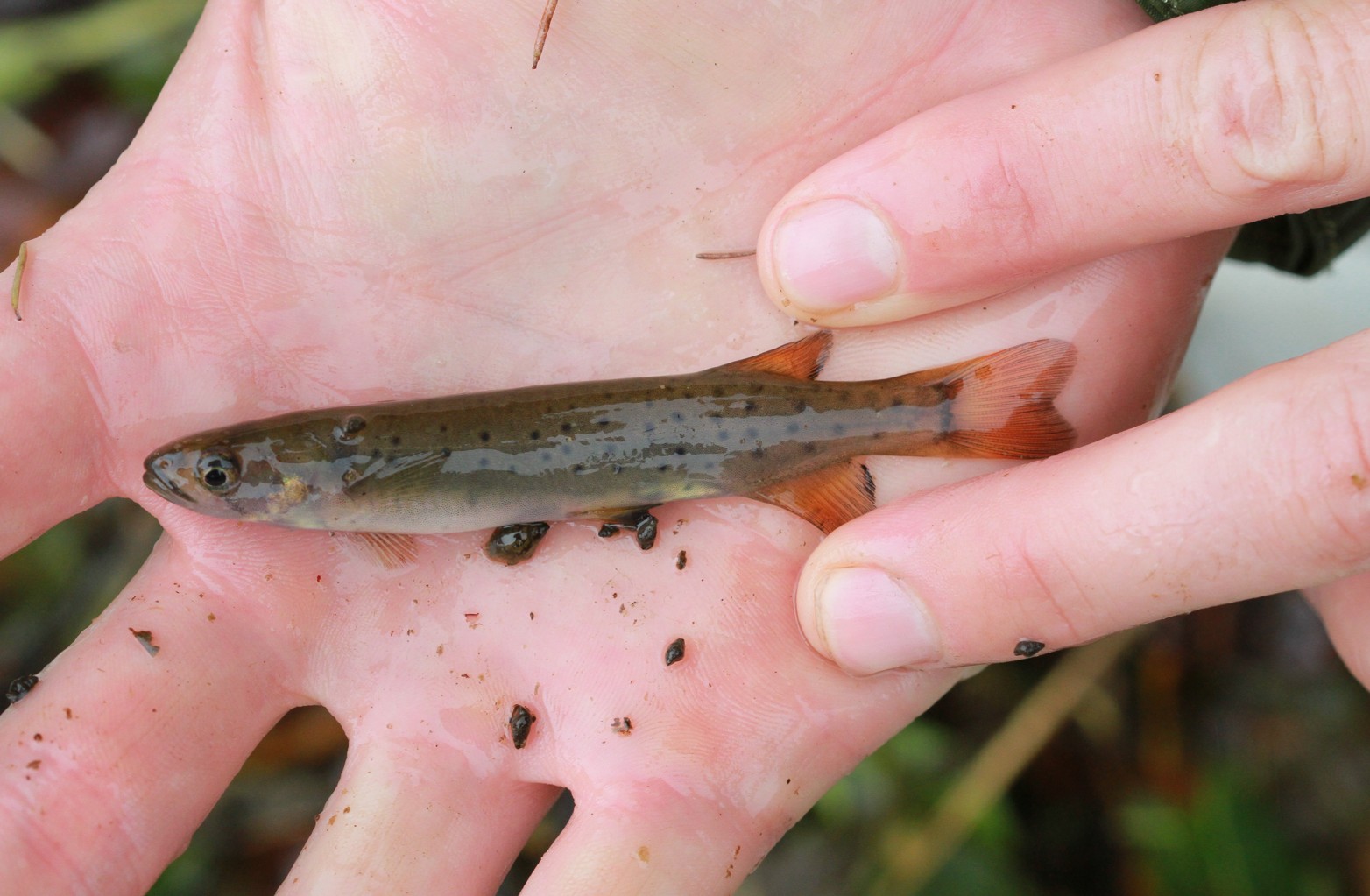
Aquatic surveys: Investigating Tasmania’s waterways and their natural values
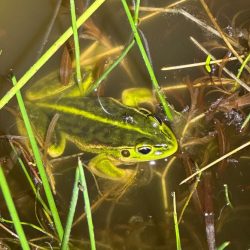
Aquatic surveys are a vital part of any natural values assessment. Tasmania’s rivers, wetlands and estuaries support a rich variety of life, from threatened fish and frogs, to migratory birds that travel thousands of kilometres each year. Understanding these environments is not only about identifying which plants and animals are present, but also about examining hydrology and water quality. By carefully assessing these systems, we can detect potential risks, protect threatened flora and fauna, and ensure that developments and landuse decisions are compatible with the persistence of the aquatic values.
At North Barker, our team uses a wide range of methods tailored to different species and habitats, including:
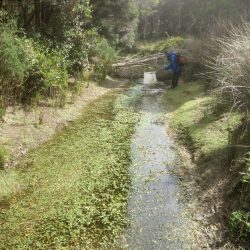
- Dip netting and electro-fishing,
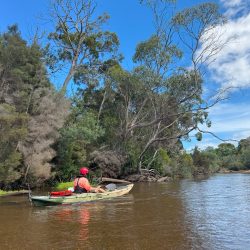
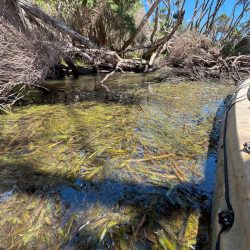
- On water surveys,
- Riparian and wetland vegetation mapping,
- Water quality surveys (testing and monitoring),
- Bioacoustic recorders for frogs and birds,
- Aquatic invertebrate surveys (AusRivAS), and
- Weed surveys for problem species such as willows.
Our rigorous approach means our clients can be confident that their surveys meet best practice and capture the information needed for sound decision-making. The outcomes of our surveys provide clear, practical advice, whether it’s ensuring compliance with legislative requirements, identifying areas of high conservation value, or informing environmental approvals. We able to provide our clients with the following outputs that are designed to give certainty and confidence:
- Natural values assessments and significant impact assessments of aquatic values,
- Threatened species avoidance, mitigation and management protocols (e.g. frogs, fish, crayfish),
- Erosion and sediment control plans,
- Project specific hygiene and working near waterways control plans, and,
- Platypus management plans, including for dam decommissioning and riparian works.
We also undertake ecological monitoring of wetlands to track changes over time, helping build a clear picture of ecosystem health and guide management practices.