
Mirror bush: Harmless garden beauty or silent environmental threat?
Mirror bush (Coprosma repens), a New Zealand native, with its glossy foliage and vibrant berries, has long been used in Tasmanian gardens as an ornamental. It’s salt-tolerant, hardy and visually appealing, making it a favourite plant of shack owners around the coast. However, these adaptable traits cherished by low maintenance gardeners also equate to a capacity for swift, unchecked spread into natural habitats.
Classified as an environmental weed in Tasmania, mirror bush thrives in coastal dunes, seabird colonies, wetlands and rocky shores, where it can displace native vegetation, obstruct seabird burrowing, and hamper the natural seasonal flux of plant succession in these dynamic environments.
Reducing and ultimately eradicating mirror bush from coastal areas, particularly seabird breeding colonies, is critically important, as they (and other weeds) can:
- Compact the soil through increased root occupation, reducing burrowability for seabirds and native rakali (water rats),
- Restrict access to previously used nesting areas and burrows with impenetrable growth,
- Lead to the loss of seabird breeding habitat as they compete with natives and occupy space that would otherwise be occupied by breeding birds, and
- Ensnare, tangle and trap birds, sometimes leading to their death.
The significant risk to seabird habitat posed by weeds is acknowledged in the Australian Government’s Wildlife Conservation Plan for Seabirds and within conservation listing advice for many state and nationally threatened sea birds.
Despite its apparent invasive tendencies and environmental impacts, mirror bush remains a non-declared weed in Tasmania. This means it lacks the legal status of a declared weed under the Biosecurity Act 2019, which could otherwise mandate eradication and impose penalties for non-compliance. Instead, it receives a lower-tier classification, resulting in a cautious, advisory approach, but still allowing free trade, cultivation, and lack of management. As such, control of the species is often left to volunteers and community groups savvy to the environmental risk and who don’t want to see their favourite patch of bush be taken over or their local seabirds displaced.
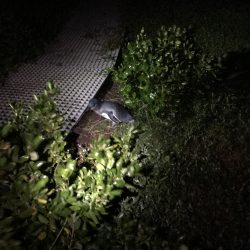
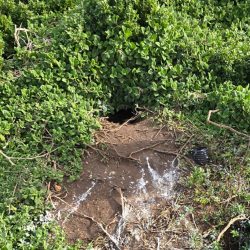
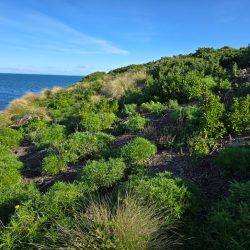
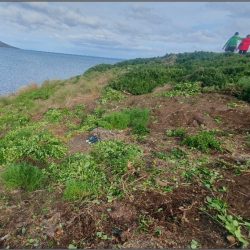
North Barker have somewhat adopted the voluntary task of mirror bush control on Picnic Island for this reason, helping restore the islands precious habitat after a rapid case of weed expansion and subsequent impact upon seabirds. These before-and-after images illustrate our success from 5 years of primary and follow-up treatments.
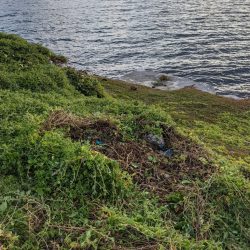
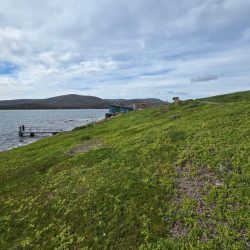
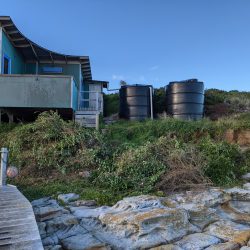
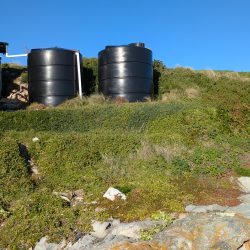
North Barker’s expertise in weed and hygiene management plans for sensitive environments has allowed us to develop and implement both a highly effective and cost-efficient program for Picnic Island while balancing works with the sensitive seabird habitat, with the results of the work clear in the dramatic reduction of mirror bush and improvement of penguin and shearwater burrowing habitat. Our work also benefits from an ecosystem-orientated approach, emphasising that high impact weeds aren’t just those declared under legal biosecurity provisions.
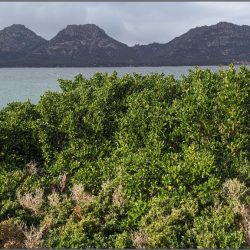
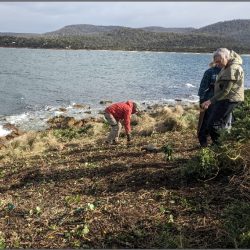
Our land management expertise extends beyond island seabird colonies, with North Barker contributing to the development of comprehensive weed management strategies for numerous municipalities, including Clarence, Sorell, and Flinders Councils. We have also delivered specialist roadside weed management projects across Tasmania, such as managing the Department of State Growth’s Priority Weed Sites program. To execute all of these projects we draw upon our ability to work at scale, coordinate multiple stakeholders, and apply consistent, science-based approaches to weed control across varied landscapes. If you have weed and hygiene requirements for your next project… or want to address the problem on your land before its too late, contact us for your land management needs.