Devil and quoll trapping and tagging
Tasmanian devils, spotted-tailed quolls and eastern quolls are widespread across Tasmania, and are variously listed under the TSPA and EPBCA. Understanding where these species occur, how many are there, where and when they are breeding, and the health of the population are all critical factors that inform accurate impact assessments and effective mitigation strategies for the species.
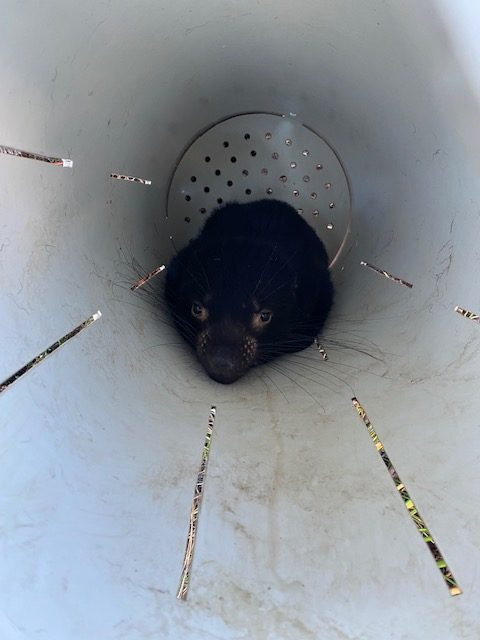
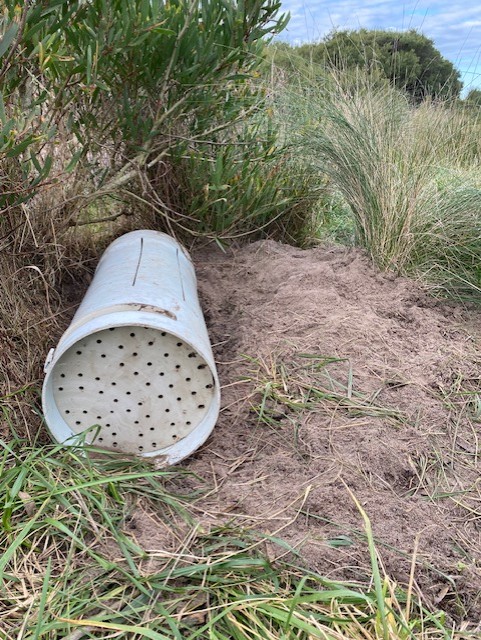
Within our team we have several specialist mammal handlers, with extensive experience in live-trapping and tracking of devils and quolls across the state. We have previously conducted targeted live-trapping surveys for Tasmanian devils, using our custom-made PVC pipe traps, a wealth of trapping expertise and many kilograms of tasty meat.
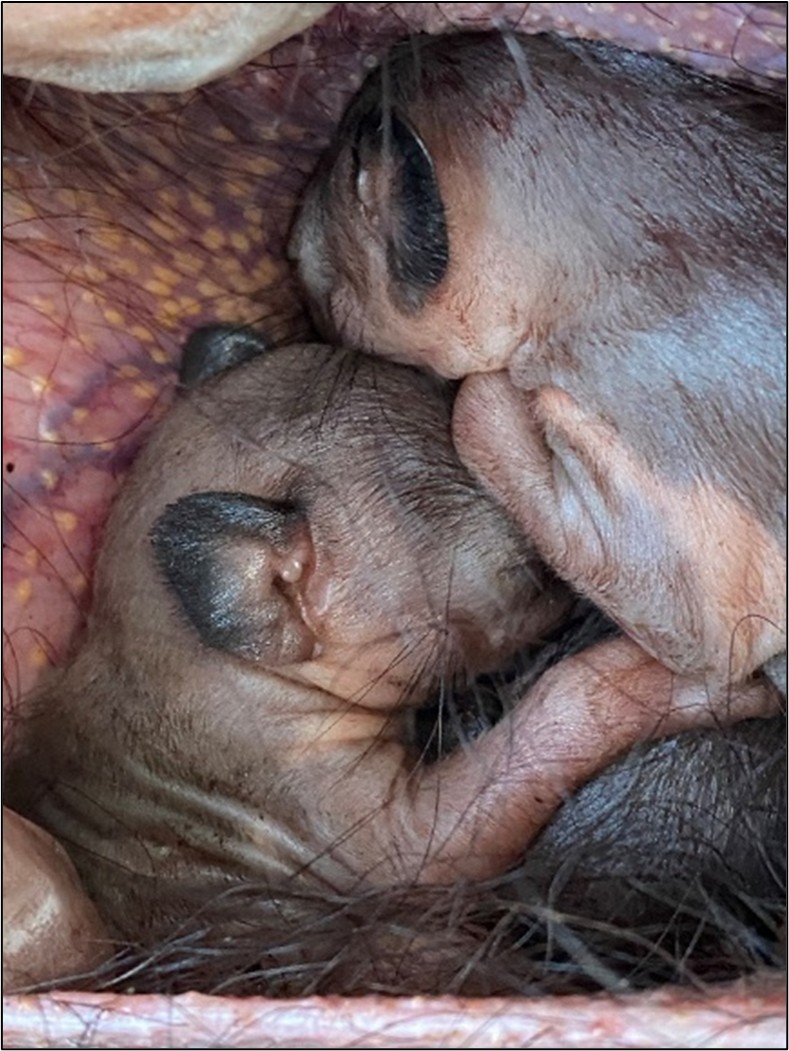
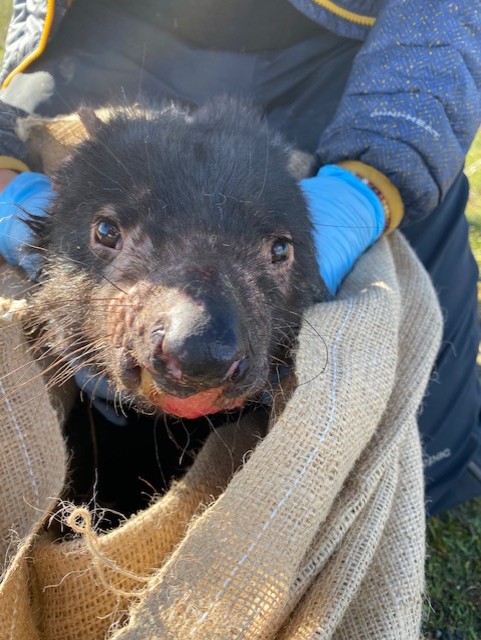
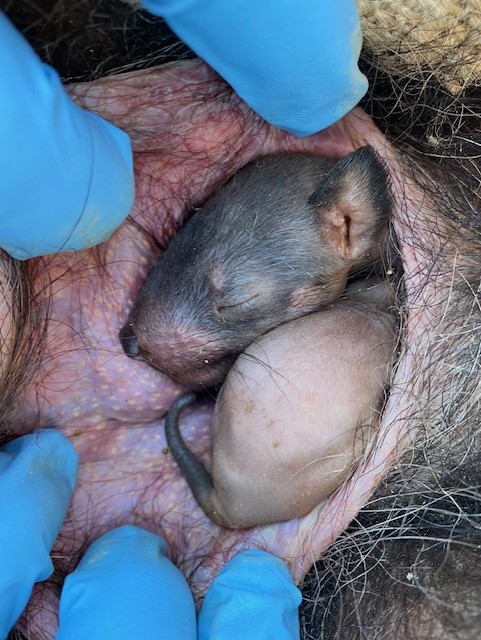
In these surveys we identify each individual with a unique microchip, and collect fundamental demographic information such as sex, age, weight, body condition and breeding status. This information is databased with NRE, contributing to long-term multi-project monitoring datasets covering the state – this broader information can be critical for understanding rates of recapture for longer term metrics. We also assess individuals for signs of Devil Facial Tumour Disease (DFTD) and record the number of breeding females and pouch young in the population.
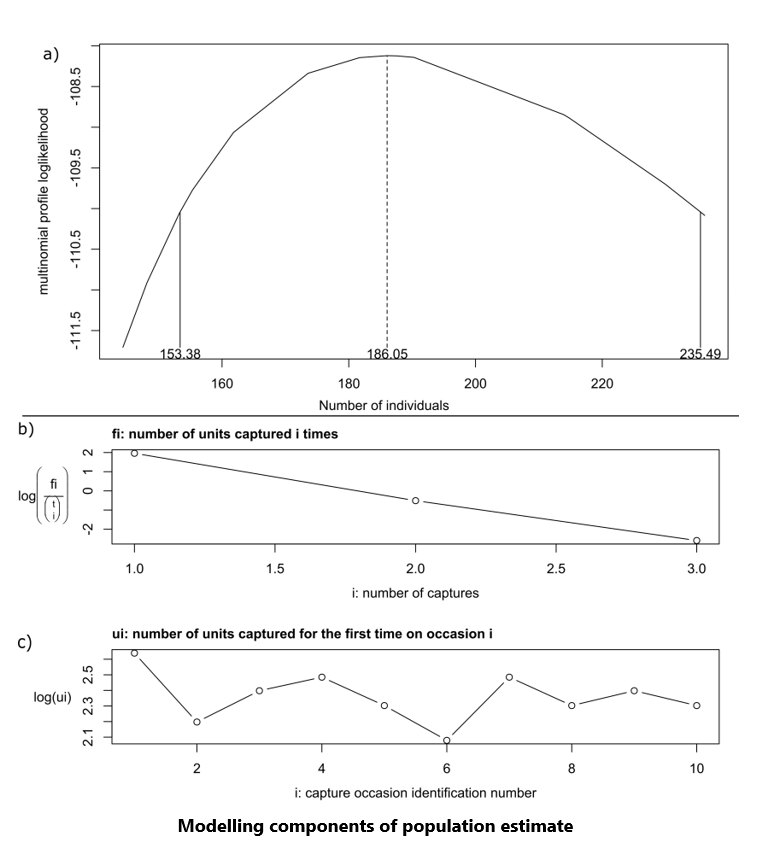
Data collected in trapping surveys allows us to conduct statistical modelling to determine the population size and relative density of the population, as well as inform us of the number of active natal dens in the region – an essential factor in assessing potential impacts from developments. Live-trapping also gives us detailed insights into the prevalence of DFTD in a population, a critical consideration in predicting long-term population level changes.
Our team also have experience in tagging and tracking quolls and devils across a range of landscapes. Radio-telemetry and GPS tracking allows even greater insight into exactly how the species are using the landscape, identifying territories, natal den locations and other critical landscape features which can guide the design of infrastructure in the planning process.